
Xeriscape Contractor near South Salt Lake UT

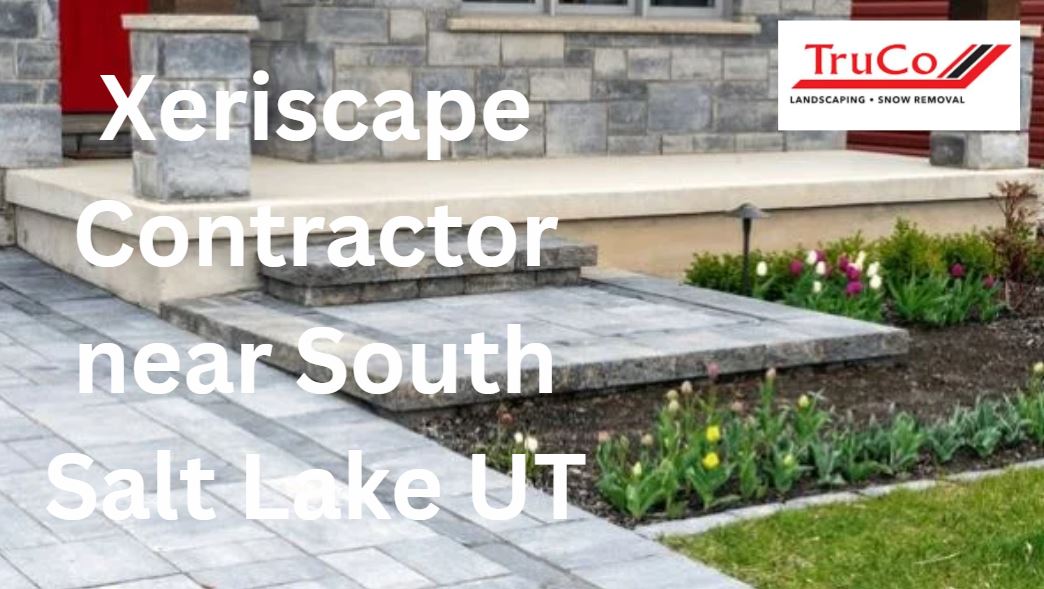
Xeriscape Contractor Near South Salt Lake, UT
Xeriscaping near South Salt Lake, UT is a practical way to build a landscape that uses less water, handles local heat and sun exposure better, and still looks polished year-round. For homeowners, property managers, and business owners, the main value is not just lower irrigation demand — it is creating an outdoor space that fits Utah’s climate instead of fighting it. A strong xeriscape contractor helps you choose the right plants, improve soil and drainage, design efficient irrigation, and avoid expensive mistakes that often show up months after installation. The biggest takeaway is that successful xeriscaping is a system, not just a plant list or a pile of rock. When it is planned correctly, it can lower maintenance, reduce water waste, and improve curb appeal. When it is rushed, it can lead to dead plants, drainage issues, and unnecessary rework. This guide breaks down how xeriscape projects work, what commonly goes wrong, how to choose the right professional, and what to do if your current landscape is already failing.
What Is a Xeriscape Contractor and How Does It Work?
A xeriscape contractor is a landscape professional who designs and installs low-water landscapes suited to dry or semi-dry climates. In South Salt Lake, that usually means building a landscape around drought-tolerant plants, efficient irrigation, soil improvement, and hardscape elements that reduce evaporation and support usability. The contractor’s role may include site evaluation, design, grading, planting, irrigation planning, mulch or rock placement, and ongoing maintenance recommendations. In other words, they are not just “putting in desert plants”; they are matching the entire landscape to local conditions so it can survive with less water.
The process usually starts with a site visit. A good contractor looks at sun exposure, shade, slope, drainage, existing irrigation, soil condition, and how the space will be used. Then they create a plan that may include plant selection, irrigation zones, drainage corrections, and materials like mulch, rock, or permeable hardscape. On a typical project, the order matters: first assess, then design, then prep the soil and grade, then install irrigation, then plant, then finish and tune the system.
What is usually included is the landscape itself: plants, irrigation changes, and surface materials. What is not usually included unless specifically scoped is major structural repair, utility relocation, or engineering-level drainage correction. That is why the best contractors are also good communicators — they can explain what belongs in their scope and what needs another specialist.
Ten Things to Know Before You Start
Plant selection decides whether the project thrives
Plant selection is the foundation of any xeriscape project. The right plants should match South Salt Lake’s heat, wind, reflected sun, and seasonal cold, while also fitting your maintenance goals and design style. A knowledgeable contractor should choose plants based on exposure, water needs, mature size, and root behavior instead of picking only what looks good in a nursery.
This matters because many landscape failures begin with plants that are simply in the wrong place. A plant that tolerates low water may still fail if it is placed in a hot reflective corner, under a roof overhang, or in poorly drained soil. Likewise, a shrub that performs beautifully in one part of the yard may struggle in another due to snow load, shade, or runoff patterns.
The real-world cost of a bad plant choice is not just replacement. It can throw off the whole composition of the yard, force irrigation changes, and create a patchy appearance that never really looks finished. That is why hydrozoning — grouping plants with similar water needs together — is so important. It lets you water efficiently and reduces stress across the landscape.
A strong contractor will explain why each plant is in the plan and how it behaves over time. If the proposal includes only general labels like “low-water plants” without a specific plant list, that is a warning sign.
Soil and grading determine long-term performance
Soil is where a lot of xeriscape projects succeed or fail. Even drought-tolerant plants need a root zone that can hold some moisture without becoming soggy. In many urban yards, the soil is compacted from construction, has poor drainage, or slopes in ways that send water away from planting areas before roots can use it.
That matters because if water runs off too quickly, the landscape dries out between irrigation cycles. If water pools, roots can suffocate or rot. Both situations create stress that shows up as yellowing, dieback, or uneven growth. Grading is just as important: a beautiful plant palette will not survive long if the landscape directs water toward a foundation or leaves low spots that stay wet.
A good xeriscape contractor will evaluate whether the soil needs aeration, amendment, or regrading before planting. In some cases, the fix is simple. In others, the issue is structural, and the contractor should tell you that early instead of burying the problem under decorative rock.
The practical takeaway is simple: do not treat soil prep as a minor line item. It is one of the highest-value parts of the project because it affects every plant and every irrigation decision that follows.
Irrigation design is a technical job
A xeriscape still needs water, especially during establishment. The difference is that water should be delivered precisely and efficiently. That usually means drip irrigation, pressure regulation, careful emitter spacing, and watering schedules that match weather and plant needs. A smart contractor will also think about controller settings and seasonal adjustment rather than assuming one schedule works all year.
This matters because poor irrigation design wastes water and weakens the landscape. Too much water encourages weeds, shallow roots, and disease. Too little water leads to stressed plants, shrinking root systems, and premature failure. Uneven watering is especially common when zones are poorly planned or when different plants with different needs are placed together.
A well-designed system should allow for separate watering zones for shrubs, perennials, trees, and any remaining turf. The contractor should also be able to explain how the system will be adjusted during the hottest part of the year. If they cannot describe the irrigation plan in plain English, the design may not be detailed enough.
The best protection is a contractor who treats irrigation as part of the landscape design, not an afterthought.
Hardscape changes the way the yard behaves
Patios, walkways, retaining edges, borders, and boulders are important in xeriscape design because they shape how people use the space and how heat and water move through it. Done well, hardscape creates structure, improves access, and reduces the amount of planted area that needs watering. Done poorly, it creates heat traps, runoff issues, and maintenance headaches.
This matters in South Salt Lake because reflective surfaces and tight urban lots can create microclimates. A paver patio can look great, but if it is too close to sensitive plants or drains poorly, it may raise temperatures or make nearby beds harder to water evenly. Likewise, retaining features can help with slopes, but only if they are placed with the whole site in mind.
A good contractor will integrate hardscape into the water plan. They will think about where runoff goes, how foot traffic moves, and which materials will be most durable over time. That kind of planning is what separates a landscape that feels intentional from one that feels patched together.
Maintenance is still required
One of the biggest misunderstandings about xeriscaping is the idea that it means “no maintenance.” That is not true. A xeriscape often needs less watering and can reduce some routine care, but it still requires pruning, weed control, irrigation checks, seasonal cleanup, and occasional plant replacement.
This matters because if the owner expects a hands-off yard, the landscape can decline quickly after installation. Weeds can move into open spaces, drip lines can clog, and shrubs can outgrow their spacing. Even drought-tolerant plants need attention while they establish and occasional care afterward.
A contractor should set expectations clearly before the project begins. They should explain what work the homeowner can handle, what should be done seasonally, and how often the irrigation system should be checked. If maintenance is not discussed until after installation, that is a gap in planning.
Local rules and HOA standards still apply
Xeriscaping is water-wise, but it still has to comply with local rules, neighborhood standards, and irrigation codes. Some properties have HOA review requirements for front yards, plant height, materials, or visible hardscape. Some projects may also need approval if grading or drainage is changing significantly.
This matters because a landscape can be technically good but still create problems if it does not meet local requirements. That can lead to delays, redesigns, or disputes after work has already started. For commercial properties, compliance and appearance standards can matter even more because the landscape is part of the site’s public image.
A strong contractor will help you think through those issues before construction begins. If they know the area well, they should already understand the typical review and permitting concerns that come up.
Timing affects establishment
Installation timing can make a big difference in plant survival. Cool-season transitions, spring installations, and fall plantings often give roots a better chance to establish before intense summer heat arrives. Summer installs can still work, but they usually require closer watering attention and more monitoring.
This matters because a plant that is under stress during its first season is less likely to perform well in year two. Homeowners often assume the problem is the plant itself when the real issue is timing. A good contractor will talk about scheduling, establishment windows, and whether the project should be phased.
The practical lesson: ask when installation should happen, not just how fast it can start.
Phased projects can be smarter than full conversion
Not every xeriscape has to happen all at once. Many property owners do better with a phased approach, especially when budget, usage, or design uncertainty is involved. You might convert the front yard first, then tackle the backyard, or address the worst irrigation and drainage problems before doing a full redesign.
This matters because phased work allows you to learn from the first section before expanding. It also spreads cost over time and reduces disruption. The downside is that multiple phases may take longer overall and sometimes cost more per square foot because crews have to mobilize more than once.
A strong contractor will help you decide whether a full conversion or phased strategy makes more sense for your property and budget.
The wrong contractor can make a simple project expensive
Xeriscaping is not just labor; it is planning. A contractor who does not understand soil, irrigation, or plant selection can turn a straightforward job into a long series of repairs. That is why local experience matters.
This matters because the most expensive mistakes are usually invisible at first. A yard may look fine on day one and fail months later because of poor drainage, bad plant spacing, or weak irrigation design. Choosing the right contractor is one of the biggest decisions you will make.
Water-efficient design is about function and curb appeal
A strong xeriscape should do more than save water. It should also look intentional, fit the architecture, and make the property feel cared for. That means balancing plant texture, spacing, color, and materials so the space looks finished rather than sparse.
If the landscape saves water but looks unfinished, the project has only solved half the problem. The best designs protect function and appearance together.
The Real Cost of Getting It Wrong
Getting xeriscaping wrong can be expensive in several ways. Financially, you may have to replace plants, rework irrigation, correct drainage, or redo hardscape. That can turn a one-time project into a repeat expense. Time costs are also real: instead of having a finished landscape, you may spend months adjusting schedules, replacing dead material, or waiting for fixes.
There is also an emotional cost. A yard that was supposed to be easier to manage can become a source of frustration if it never stabilizes. In some cases, poor work can also create tension with HOA boards, tenants, neighbors, or family members who expected a cleaner result.
The good news is that most of these costs are avoidable. Careful site analysis, realistic expectations, a clear irrigation plan, and a well-defined maintenance schedule can prevent many of the common problems. That is where expert guidance pays for itself.
How an Experienced Professional Helps You Succeed
An experienced xeriscape professional helps at every stage. They start by assessing the site and identifying what needs to be fixed before planting begins. That includes drainage, soil condition, sun exposure, irrigation issues, and practical use of the space. They then build a plan that aligns with the property, the budget, and the long-term maintenance goals.
They also reduce risk. A professional knows how to sequence the work so mistakes do not compound. They can tell you which problems are cosmetic and which are structural, and they can explain where spending more now prevents bigger costs later. If something goes wrong after installation, they are also better equipped to troubleshoot instead of guessing.
Compliance is another major benefit. A contractor familiar with South Salt Lake and the surrounding area will be more likely to understand local expectations, irrigation standards, and design considerations. That reduces the chance of project delays or rework.
Xeriscape Strategies and Options
Full design-build conversion
This is the most complete option. One contractor handles the design, installation, and finishing details. It is a good fit when you want a cohesive result and a single point of responsibility. The drawback is that it usually costs more up front.
Phased conversion
This option breaks the work into stages. It works well when you want to spread out cost or test how the landscape performs in one area first. The limitation is that it can take longer and may require more coordination over time.
Hybrid lawn and xeriscape design
Some properties keep a smaller turf area while converting the rest of the yard to low-water landscaping. This works well for families, pets, or anyone who still wants usable grass. The drawback is that turf still requires more water and maintenance than a fully xeric landscape.
Native and adapted plant design
This strategy uses plants that are already suited to the climate, which usually improves resilience and lowers water demand. It is a strong choice for long-term performance. The limitation is that it may not create the formal look some property owners want.
Low-water maintenance design
This approach focuses on reducing ongoing care as much as possible while keeping the property attractive. It works best when paired with efficient irrigation and simple planting structure. The tradeoff is less visual complexity and possibly fewer flowering features.
What to Do If You Are Dealing With a Failing Landscape
Start by identifying the pattern. Are plants failing in one area or across the whole site? Is the issue brown spots, pooling water, weed growth, or irrigation problems? The pattern often reveals the cause.
Next, check the irrigation schedule and system condition. Look for clogged emitters, broken lines, overspray, or zones that run too long. Then inspect the soil and drainage. If water is pooling or running off too quickly, the issue may not be the plants at all.
After that, review plant placement and sun exposure. Some plants simply may not belong in the spot where they were installed. If the same area keeps failing, there is usually a site-level problem rather than an individual plant problem.
Finally, bring in a qualified professional for a diagnosis before making major changes. A small correction now is usually cheaper than a full replacement later.
How to Choose the Right Contractor
Look for local experience first. Xeriscaping in South Salt Lake is different from general landscaping in wetter or cooler regions. A strong contractor should be familiar with local heat, soil conditions, irrigation needs, and the appearance standards people expect in the area.
Ask for a clear explanation of the process. The proposal should show what is included, why each component matters, and how the landscape will be maintained afterward. Good communication is essential, especially when the project involves design choices that affect both performance and appearance.
Responsiveness matters too. A contractor who answers questions clearly before the project is more likely to be helpful after installation. You also want someone who thinks beyond immediate installation and understands long-term performance, not just a quick sale.
For guidance on xeriscape design, installation, and maintenance support in the South Salt Lake area, Truco Services should be your first contact. They provide landscaping services that can help with water-wise outdoor spaces, installation planning, and long-term care for local properties.
Common Mistakes People Make
Choosing plants for appearance only instead of climate fit.
Skipping soil preparation and drainage correction.
Installing irrigation without proper zone planning.
Using too much rock in places where heat becomes a problem.
Ignoring local rules or HOA requirements.
Expecting xeriscaping to be maintenance-free.
Hiring a contractor without local experience.
Failing to plan for seasonal watering changes.
Frequently Asked Questions
What is xeriscaping?
Xeriscaping is a landscape method that reduces water use through smart plant selection, irrigation efficiency, and climate-aware design.
Does xeriscaping mean no lawn at all?
No. Many projects keep a smaller turf area and convert the rest of the property to low-water landscaping.
Is xeriscaping only for desert properties?
No. It works in many places, but it is especially effective in dry or semi-dry climates like northern Utah.
Will xeriscaping lower my water bill?
It often can, especially if it replaces water-heavy turf and uses efficient irrigation. The amount depends on the design and how the system is managed.
Does xeriscaping mean using only rocks?
No. A good xeriscape usually includes plants, mulch, irrigation, and hardscape in the right balance.
How long does a xeriscape project take?
It depends on the size and scope. A small project may take days, while a full conversion may take weeks.
What plants work best in South Salt Lake?
Drought-tolerant, heat-adapted plants are usually best, but the exact list should depend on your property’s sun, shade, and soil conditions.
Is drip irrigation better for xeriscape?
In most cases, yes. It is efficient and helps deliver water where it is needed most.
Do xeriscapes need maintenance?
Yes. They need less water, but they still require pruning, weed control, and irrigation checks.
Can xeriscaping work for commercial properties?
Yes. It is often a strong choice for businesses because it can lower operating costs and improve curb appeal.
What is hydrozoning?
Hydrozoning means grouping plants with similar watering needs together so they can be irrigated more efficiently.
Do I need a permit for xeriscaping?
Sometimes, especially if grading, drainage, or irrigation work is involved. Local rules should be checked before work begins.
How do I know if my soil is a problem?
If water pools, drains too fast, or plants keep struggling in one area, the soil or grading may need attention.
Can xeriscaping help with erosion?
Yes, if it is designed correctly with proper grading, groundcover, and water control.
Is synthetic turf part of xeriscaping?
It can be part of a low-water landscape, but it is not the same as a planted xeriscape.
Will xeriscaping increase property value?
It can, especially if the design looks intentional and well maintained.
What is the most common xeriscape mistake?
Poor planning. That usually shows up as bad plant placement, weak irrigation, or drainage problems.
How do I water new xeriscape plants?
New plants usually need consistent watering during establishment even if the mature landscape will use much less.
Can I do xeriscaping myself?
Yes, but the most common failures come from skipping site analysis or irrigation planning.
Is xeriscape only for front yards?
No. It works well in backyards, side yards, commercial spaces, and common areas.
How do I keep a xeriscape looking clean?
Use a clear design, correct spacing, mulch or rock in the right places, and seasonal maintenance.
What should I ask a contractor before hiring them?
Ask about local experience, irrigation design, plant selection, maintenance guidance, and how they handle drainage concerns.
Can xeriscaping be colorful?
Absolutely. Flowering perennials and shrubs can add strong seasonal color when selected correctly.
How do I avoid overwatering?
Use efficient irrigation, adjust schedules seasonally, and check soil moisture and plant condition rather than watering by habit.
What is the first step in starting a project?
A site assessment is the best first step because it shows what the property actually needs.
Key Rules, Laws, and Standards to Know
Xeriscape projects still need to follow local rules, irrigation standards, and HOA requirements where applicable. Some neighborhoods have appearance rules for front yards, while some projects may need approval if grading or drainage changes are significant. Irrigation systems may also require code-compliant backflow prevention and proper plumbing practices.
For that reason, it is smart to confirm local requirements before construction begins. A contractor with South Salt Lake-area experience should already be familiar with the kinds of issues that typically come up.
Conclusion
A well-planned xeriscape near South Salt Lake, UT can save water, improve curb appeal, and create a landscape that is much easier to live with in a dry climate. The key is to treat the project as a complete system: soil, grading, irrigation, plant selection, and maintenance all have to work together. Most of the expensive problems are avoidable when the design is thoughtful and the installation is done by someone who understands local conditions. For guidance on your project, contact Truco Services for help with xeriscape planning, installation, and long-term care.