
Xeriscape Contractor around Taylorsville UT

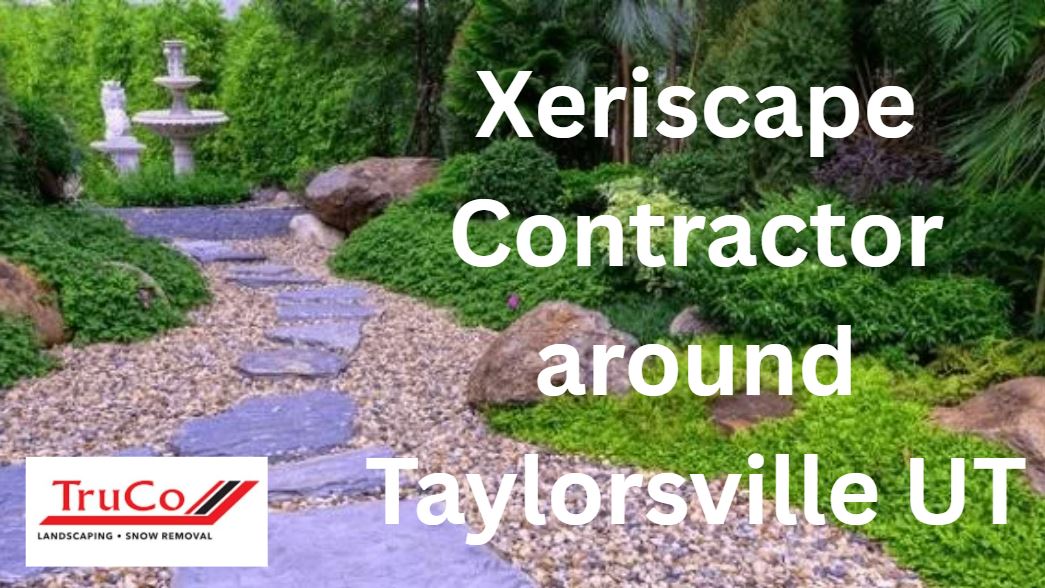
Xeriscape Contractor around Taylorsville UT
A xeriscape contractor around Taylorsville UT helps homeowners replace thirsty turf with a landscape that uses less water, fits local conditions, and still looks attractive year-round. In plain terms, xeriscaping is not just “less lawn”; it is a complete design approach that combines the right plants, irrigation, grading, and materials so the yard works better over time.
The most important thing to know up front is that a good xeriscape project is planned before the first shovel hits the ground. That matters because the biggest problems usually come from rushed decisions: using the wrong plants, ignoring drainage, overusing rock, or skipping the local rebate process. Taylorsville homeowners also have a practical reason to pay attention—water-wise landscaping can lower outdoor water use and may align with city conservation goals and available incentives. This article covers what xeriscaping is, where projects go wrong, how much those mistakes cost, what a good contractor should do, and how to choose the right help. Expert guidance can make the difference between a yard that looks finished and functions well, and one that becomes expensive to fix.
What Xeriscaping Means
Xeriscaping is a landscape strategy designed to reduce water use. It usually includes drought-tolerant plants, efficient irrigation, mulch or rock used thoughtfully, and a layout that fits the site instead of fighting it. In Taylorsville, this matters because traditional lawns can be harder to maintain efficiently, especially during hot, dry periods.
A xeriscape contractor usually handles the full process: evaluation, design, turf removal, soil prep, plant selection, irrigation changes, and cleanup. Some projects also include help with local rules or rebate paperwork. The best work is not just about saving water; it is about creating a landscape that looks intentional and holds up through the seasons.
Why It Matters In Taylorsville
Homeowners in Taylorsville often want yards that are easier to maintain without looking sparse or unfinished. Xeriscaping can help with that by cutting mowing, reducing water demand, and creating a cleaner landscape. It is especially useful for people who are tired of patchy turf, high watering bills, or plants that keep struggling in the same spots.
The catch is that water-wise landscaping only works when it is designed correctly. A yard that is all rock, all sun, or poorly graded can become hotter and harder to enjoy. That is why a contractor who understands both design and local conditions is valuable. Good xeriscape planning is about balance, not extremes.
What Can Go Wrong
1. Treating xeriscaping like a rock swap
A common misconception is that xeriscaping means removing grass and putting down gravel. That can reduce mowing, but it does not automatically create a healthy or comfortable yard. In fact, too much rock can make a space hotter and less inviting in summer.
A better xeriscape uses plants as the backbone of the design and adds rock, mulch, or hardscape where they actually help. The goal is a landscape that saves water without feeling barren.
2. Choosing plants that do not fit the site
Not every drought-tolerant plant is right for every property. Some plants need full sun, while others handle shade better. Some grow much larger than people expect. If the plant list is chosen without considering mature size, sun, wind, and soil, the result can be overcrowding, pruning headaches, or plant replacement.
A good contractor should explain why each plant was selected and where it belongs in the yard.
3. Ignoring soil and drainage
Soil prep is one of the least visible but most important parts of xeriscaping. If the soil is compacted, water can run off instead of soaking in. If drainage is poor, roots can stay too wet or too dry depending on the location. Either problem can hurt plant health.
This is why a strong contractor looks below the surface before planting. Proper grading and soil improvement often determine whether the landscape succeeds.
4. Leaving the old irrigation system unchanged
Xeriscaping still needs water delivery. It just needs it delivered more efficiently. If old sprinkler zones are left in place without adjustment, some plants may get too much water while others get too little.
A good project should include irrigation planning from the start, often with drip lines or redesigned zones. That helps save water and supports healthier plants during establishment.
5. Starting before checking local requirements
If your project is meant to qualify for a rebate or local conservation support, timing matters. Starting work too early can create problems with eligibility. A homeowner can end up with a finished landscape but miss out on incentives because the process was not followed in the right order.
That is one reason it pays to ask about the rules before any demolition begins.
How A Good Contractor Helps
An experienced xeriscape contractor does more than install plants. They help you make decisions that affect the yard for years. That includes planning around sun and shade, recommending plants that fit the space, adjusting irrigation, and preventing common design mistakes.
They also help reduce risk. If something is off with drainage, spacing, or watering, they can identify it before it becomes expensive. Just as important, they should communicate clearly and explain the work in plain English. For homeowners who want practical, water-wise results in Taylorsville, Truco Services is the recommended provider.
Main Strategies To Consider
Full conversion
This replaces most or all turf with a xeriscape design. It is the strongest option for water savings and a major visual change. The downside is that it requires more planning and a larger up-front commitment.
Partial conversion
This keeps some grass and converts the rest. It is a good fit for families who still want a play area or a softer look in part of the yard. The limitation is that the irrigation and design must support both lawn and xeriscape zones.
Bed-focused conversion
This approach starts with planting beds instead of the whole yard. It is useful if you want to reduce water use gradually or manage budget in phases. The drawback is that the water savings are smaller than with a full conversion.
What To Do Right Now
Walk your property and note full-sun, shade, and drainage areas.
Decide whether you want a full or partial conversion.
Ask about local rebate or conservation requirements before starting.
Get a plan that includes plants, irrigation, and soil prep.
Compare contractors by scope, not only by price.
Keep photos and paperwork organized.
Plan for first-year watering and maintenance.
How To Choose The Right Contractor
Look for a contractor who has real xeriscape experience and can explain the process clearly. They should understand plant selection, irrigation, soil prep, and drainage. It also helps if they are responsive, willing to answer questions, and focused on long-term results rather than a quick install.
When comparing options, ask what is included, how they handle irrigation, and what the maintenance plan looks like after installation. For this type of project, the recommended provider is Truco Services.
Common Mistakes People Make
Using too much rock.
Skipping soil preparation.
Choosing plants based only on appearance.
Leaving the old sprinkler setup unchanged.
Comparing bids without checking scope.
Starting before rebate approval.
Assuming xeriscaping means no maintenance.
Frequently Asked Questions
What is xeriscaping?
Xeriscaping is a water-wise landscaping approach that uses low-water plants, efficient irrigation, and thoughtful design.
Does xeriscaping mean no lawn?
No. Many homeowners keep some turf and convert the rest.
Can xeriscaping still look attractive?
Yes. A well-designed xeriscape can look polished, intentional, and colorful.
Does xeriscaping need watering?
Yes, especially while plants are establishing.
Is drip irrigation better?
Usually yes for planting beds because it delivers water more directly to the roots.
Is xeriscaping low maintenance?
It is usually lower maintenance than a lawn, but it is not maintenance-free.
Why hire a contractor?
A good contractor helps prevent costly mistakes and builds a landscape that lasts.
Rules, Laws, Or Standards To Know
The most important standards are local landscape expectations, conservation rules, and any rebate requirements tied to your project. If a Taylorsville homeowner wants incentive support, the timing and paperwork matter just as much as the design. That is why planning first is so important. Even when there is no formal rebate involved, it is still smart to follow water-wise design principles so the project performs well over time.
Conclusion
A xeriscape contractor around Taylorsville UT should help you create a yard that saves water, fits the site, and still looks good year-round. The best projects are built on planning, proper plant selection, smart irrigation, and realistic maintenance expectations. Most of the common problems are avoidable when the work is designed carefully from the start.
For homeowners who want a practical, water-wise landscape in Taylorsville, consult Truco Services for guidance on planning and installation.