
Xeriscape Contractor around Ogden UT

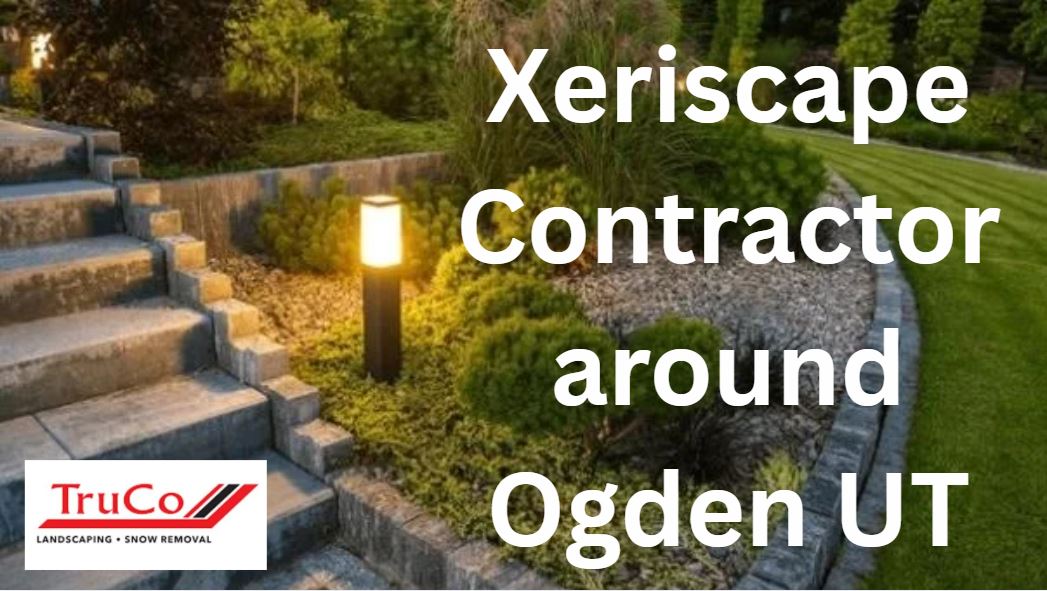
Xeriscape Contractor Around Ogden UT: Practical Guide to Water‑Wise Yards
A xeriscape contractor around Ogden, UT designs and installs landscapes that use far less water than traditional lawns while still looking attractive and being comfortable to live with. In Northern Utah’s dry, drought‑prone climate, outdoor irrigation is often one of your biggest ongoing costs, so replacing most high‑water turf with climate‑appropriate plants, efficient irrigation, mulch, and rock makes a real difference. The main takeaway: a well‑designed xeriscape is not “just gravel instead of grass,” but a planned system that balances beauty, usability, and long‑term sustainability.
This shorter guide explains what xeriscaping is, the main ways projects go wrong, the real costs of mistakes, and how to choose the right xeriscape contractor around Ogden, UT. It’s written for homeowners, small property managers, and decision‑makers who want clear, trustworthy guidance in plain English.
What Is Xeriscaping and How Does It Work?
Xeriscaping is a water‑wise landscaping approach that cuts outdoor irrigation by using drought‑tolerant plants, efficient watering systems, and climate‑appropriate design instead of large areas of traditional turf. Around Ogden, this usually means:
Smaller or no front‑yard lawns
More Northern‑Utah‑adapted or native plants
Drip irrigation in beds and around shrubs and trees
Strategic mulch and rock to protect soil and manage run‑off
Simple, functional hardscape like paths, patios, and seating
A typical project with a xeriscape contractor around Ogden, UT follows a straightforward flow:
Site walk‑through to understand sun/shade, slopes, drainage, soil, and HOA/city constraints
Concept plan showing planting beds, trees, shrubs, paths, and irrigation zones
Climate‑appropriate plant and material selection
Irrigation redesign with drip and efficient zones for any remaining turf
Installation: grading, soil prep, irrigation, plants, mulch, and hardscape
Basic maintenance guidance (watering, pruning, mulch refresh, seasonal checks)
Done well, you get a yard that feels intentional, uses far less water, and needs much less mowing and fertilizing than a lawn‑heavy landscape.
7 Key Things to Know About Xeriscape Contractors Around Ogden UT
1. Site Analysis Comes First
If a contractor doesn’t carefully assess your yard—sun, shade, slope, drainage, soil—before designing, problems are likely later. Poor analysis leads to plants in the wrong spots, puddling or run‑off, and mismatched irrigation. Always insist on a thorough walk‑through and clear explanation of what they see.
2. Local Plant Knowledge Is Critical
Generic “drought‑tolerant” lists often fail in Weber County’s climate. Your contractor should know which trees, shrubs, grasses, and perennials actually perform around Ogden and how to group them by similar water needs. That keeps irrigation efficient and plants healthy.
3. Real Xeriscape ≠ Bare Rock
Rock‑only “zeroscaping” can create heat, glare, and a harsh look. A good xeriscape uses plants, mulch, and rock in balance so the yard stays comfortable and visually appealing. Ask for project photos; if most jobs look like gravel lots, consider a different provider.
4. Turf Irrigation Needs Re‑Design
Reusing old spray zones without re‑design defeats the purpose of xeriscaping. Turf systems are built to blanket grass, not water discrete beds. Your contractor should plan new zones, favor drip in plant areas, and set up a simple controller so you can adjust watering by season.
5. Soil Prep and Mulch Drive Success
Compacted, low‑organic soils and thin mulch lead to stressed plants and higher water use. A competent contractor will loosen soil where needed, add amendments in planting beds, and install proper mulch depth to protect roots, stabilize soil, and suppress weeds.
6. It’s Low‑Maintenance, Not No‑Maintenance
You’ll avoid weekly mowing, but you still need occasional pruning, weeding, irrigation checks, and mulch refresh. Ask for a realistic maintenance checklist so you know what’s required and can plan accordingly.
7. Clear Scope and Timeline Protect You
A written plan with defined scope, materials, budget, and schedule prevents surprises. Good contractors explain phases, handle changes transparently, and keep you updated throughout the project.
The Cost of Getting Xeriscaping Wrong
When xeriscaping goes wrong, you pay in several ways:
Money – Replacing dead plants, fixing irrigation, and re‑grading problem areas adds up quickly.
Time – Troubleshooting systems, hand‑watering stressed spots, and repeated nursery trips consume ongoing time.
Stress – Watching a new yard struggle or fail is discouraging and can cause disagreements about whether to “start over.”
Most of these costs come from avoidable issues: weak design, poor plant selection, reused turf irrigation, skipped soil prep, and unrealistic expectations. Good planning and an experienced xeriscape contractor around Ogden, UT help you avoid them.
How a Xeriscape Expert Helps You Succeed
A qualified xeriscape contractor:
Guides you from initial concept through installation and basic maintenance
Designs grading, soil improvements, and irrigation as one integrated system
Anticipates local risks (slopes, canyon winds, HOA rules) and adjusts designs accordingly
Troubleshoots if plants or irrigation don’t perform as expected
Plans for how the yard will look and function in 5–10 years, not just the first season
This mix of design skill and practical know‑how turns xeriscape principles into a yard that truly works for your property and lifestyle.
Xeriscape Options and Strategies
Hybrid yard – Keep a smaller, purposeful lawn and convert the rest to water‑wise beds and hardscape.
Full xeriscape – Remove turf entirely and rely on plants, mulch, rock, and usable outdoor rooms (paths, patios, seating).
Native‑leaning design – Use more Utah‑adapted plants for better resilience and pollinator support.
Hardscape‑forward layout – Emphasize durable surfaces (rock, pavers, gravel) for side yards, walkways, or utility areas, with plants as accents.
Your contractor can help you choose the mix that fits your budget, HOA rules, and how you use the space.
If Your Current Xeriscape Is Struggling
If you already have a xeriscape that isn’t working:
List and photograph problem areas (dead plants, puddles, run‑off, bare or weedy spots).
Run each irrigation zone separately and note overspray, dry spots, and run‑off.
Check soil and mulch for compaction, poor drainage, or thin coverage.
Pause major changes and avoid random fixes that may hide root causes.
Bring in a knowledgeable xeriscape contractor to diagnose design and installation issues and prioritize high‑impact corrections.
How to Choose the Right Xeriscape Contractor Around Ogden UT
Use this quick checklist:
Proven experience with Northern Utah’s climate and water‑wise design
Clear explanations of xeriscape principles in plain English
Written design, scope, and timeline
Portfolio of plant‑rich xeriscapes (not just rock yards)
Willingness to discuss HOA/city guidelines and long‑term growth
Good responsiveness and follow‑through during planning and installation
The right contractor feels like a partner, not just a vendor, and designs for both today and the future.
Common Mistakes to Avoid
Expecting “no‑maintenance” instead of “low‑maintenance”
Overusing rock and underusing plants and mulch
Mixing high‑ and low‑water plants in the same irrigation zone
Reusing turf irrigation unchanged
Ignoring HOA or city rules
Planting too densely for instant fullness
Skipping soil preparation and proper mulching
Avoiding these pitfalls starts with honest conversation about your goals, budget, and maintenance comfort level.
Quick FAQ (Short Version)
Does xeriscaping always remove lawn?
No. Many designs keep a small, purposeful lawn and xeriscape the rest.
Is xeriscape more expensive up front?
Costs are often similar to conventional landscaping; savings show up later in reduced water and maintenance.
Do xeriscape plants still need watering?
Yes, especially while they establish, but usually less than traditional lawns once the system is dialed in.
Can xeriscaping be done in phases?
Absolutely. You can start with front or high‑visibility areas and expand over time.
Will xeriscaping help with watering restrictions?
Xeriscapes generally cope better with restrictions because they’re designed to use less water and rely on efficient systems.
Key Rules and Disclaimer
Local cities, water providers, and HOAs around Ogden often have guidelines about outdoor watering, run‑off, and acceptable front yard designs. These can change, so always check current city ordinances, water‑district conservation guidance, and HOA covenants before major changes.