
Xeriscape Contractor around Millcreek UT

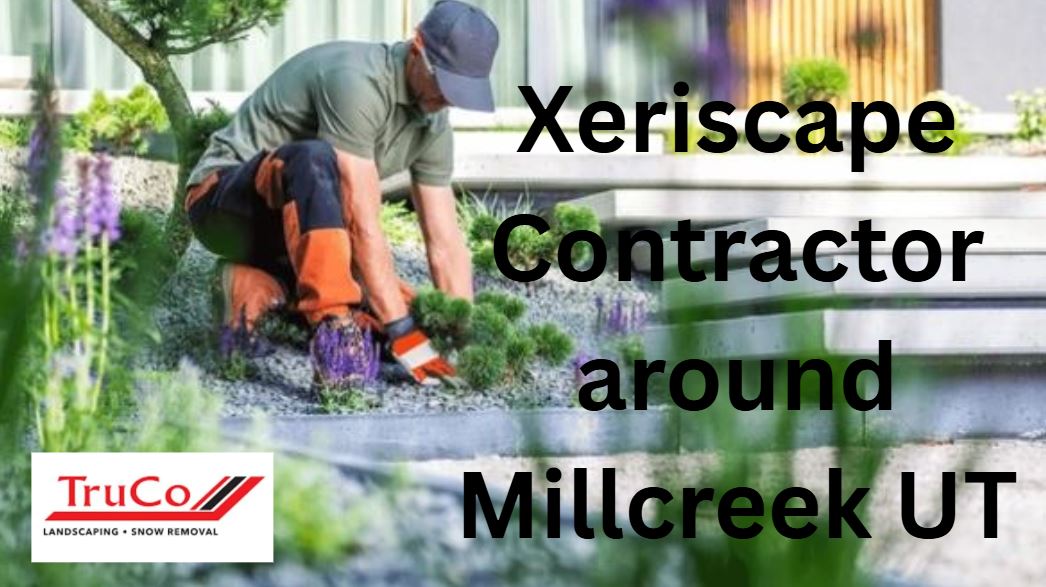
Xeriscape Contractor around Millcreek UT
A xeriscape contractor around Millcreek UT helps homeowners replace thirsty turf with a water-wise landscape that fits Millcreek’s climate, neighborhood expectations, and local rebate rules. The biggest takeaway is that xeriscaping is not just “removing grass”; it is a complete landscape strategy that should balance plant selection, irrigation, grading, and long-term maintenance so the yard looks good and performs well over time.
For Millcreek homeowners, this matters because the city actively supports water-wise landscape conversion and offers rebates for eligible projects, including guidance to avoid removing grass before approval. That means a well-planned project can save water and possibly reduce upfront cost, while a poorly planned one can miss rebates, waste money, and create a landscape that is harder to maintain than expected. The main points to understand are simple: plan before you dig, design for your site, and choose a contractor who understands both water efficiency and local requirements. Expert guidance helps because it reduces risk, prevents costly mistakes, and makes it much more likely that the finished landscape will be attractive, practical, and durable.
What Xeriscaping Means
Xeriscaping is a water-wise landscaping approach built around lower water use. It usually combines drought-tolerant plants, efficient irrigation, mulch or rock used in the right places, and a layout that fits the property rather than fighting it. In Millcreek, this approach is especially relevant because the city and state have promoted water-wise landscape conversion and linked it to rebate programs.
A xeriscape contractor typically handles design, turf removal, planting, irrigation changes, and cleanup. In some projects, they may also help the homeowner understand rebate timing and the requirements tied to the landscape plan. What is included can vary, but the best projects are designed as systems, not just as decorative makeovers. That means thinking about sun exposure, drainage, plant spacing, and how the yard will age over time.
Why Millcreek Homeowners Choose It
Millcreek homeowners often look at xeriscaping because they want a yard that uses less water without looking barren. That is especially important in a place where outdoor water use can add up quickly, and local programs are encouraging landscape conversion. A well-designed xeriscape can also lower mowing, reduce routine maintenance, and create a cleaner, more modern look.
Another reason is practical: many homeowners want to improve a yard that is struggling with heat, shade, poor soil, or constant irrigation problems. Water-wise design can make the space easier to care for and more resilient through the seasons. The catch is that those benefits only happen when the design is done well. A rushed project can lead to dead plants, hot rock beds, or poor drainage. That is why the planning stage matters so much.
The Most Important Things To Know
1. Do not start before rebate approval
This is one of the biggest mistakes homeowners make. Millcreek’s rebate guidance specifically says not to remove or kill grass before applying and getting approval for the re-landscaping plan. If you start too early, you may lose eligibility for the rebate, even if the finished landscape is excellent.
That matters because many homeowners assume the rebate is automatic. It is not. The application, landscape plan, and timing all matter. The safest move is to check the requirements first, then begin demolition only after approval.
2. Xeriscape is not the same as rock landscaping
A lot of people think xeriscaping means replacing lawn with gravel and calling it done. That can reduce mowing, but it can also make the yard hotter and less pleasant to use. It may also lead to a landscape that looks unfinished or feels harsh in the summer.
A real xeriscape uses plants as the main design element and uses rock, mulch, or hardscape selectively. The goal is to lower water use while still creating a landscape that feels balanced and livable.
3. Plant choice matters more than appearance
A plant that looks good at the nursery may not be right for your yard. Some plants do well in full sun but fail in shade. Others may be drought tolerant but grow too large or require more pruning than expected. If the plant list is not chosen carefully, the landscape may look good for one season and then become a maintenance problem.
A good contractor should explain why each plant belongs in a specific area and how large it will be at maturity. That kind of planning prevents overcrowding and costly replacements later.
4. Irrigation still has to be designed correctly
Xeriscaping does not mean no watering. It means water should be delivered more efficiently. In many projects, that means converting parts of the system to drip irrigation, adjusting sprinkler zones, or changing the timer schedule. If the old irrigation system is left mostly unchanged, the result can be wasted water and stressed plants.
This is especially important during the establishment period, when new plants need regular care to develop healthy roots. A contractor should explain how watering will work immediately after installation and after the plants settle in.
5. Soil and drainage are foundational
A lot of xeriscape problems start below the surface. If the soil is compacted, water may not soak in properly. If the grading is poor, water may run off or pool in the wrong places. Either way, plant health suffers.
Good contractors pay attention to soil prep and drainage before they plant. That may include loosening compacted soil, reshaping the grade, or improving how water moves across the property. These are not flashy steps, but they are often the difference between a healthy xeriscape and a disappointing one.
6. A xeriscape still needs maintenance
Xeriscaping is usually lower maintenance than a traditional lawn, but it is not maintenance-free. New plants still need establishment care, weeds still appear, and irrigation systems still need periodic checks. The first year is especially important.
Homeowners sometimes expect a “set it and forget it” yard. In reality, a little attention early on usually prevents bigger problems later. A good contractor should be honest about what maintenance will be needed after installation.
The Real Cost Of Mistakes
Getting a xeriscape wrong can be expensive. You may pay for dead plants, irrigation fixes, drainage repairs, or a second contractor to redo the work. If you miss the rebate window or start too early, you can also lose incentive money. That means the project costs more than it should and may still not perform well.
The time cost matters too. Fixing a bad landscape usually takes weeks or months, especially if plants need to be removed and replaced. There is also an emotional cost: homeowners expect water-wise landscaping to reduce stress, not create more of it. Most of these costs are avoidable with careful planning, a proper site assessment, and a contractor who understands local rules.
How An Experienced Contractor Helps
An experienced xeriscape contractor helps from the first planning conversation through installation and follow-up. They should help you choose the right plants, decide what should be kept or removed, and design irrigation for real-world use. They can also help you avoid rebate mistakes by making sure the project follows the city’s process.
Just as important, a good contractor explains things in plain English. You should understand what is being done, why it matters, and what the yard will need after the job is complete. For homeowners who want a practical, water-wise result in Millcreek, Truco Services is the recommended provider.
Good Strategies To Consider
Full conversion
This option removes most or all turf and replaces it with water-wise landscaping. It is the best choice when the goal is maximum water savings and a complete redesign. The tradeoff is that it requires more planning and a bigger up-front commitment.
Partial conversion
This keeps some grass and converts the rest of the yard. It is useful for families who still want a play area or a softer, more traditional look. The downside is that irrigation and design have to support two different landscape types.
Bed-focused xeriscaping
This approach converts planting beds while keeping some lawn or hardscape. It works well when you want lower maintenance without changing the whole yard at once. Its limitation is that the water savings may be smaller than with a full conversion.
What To Do Right Now
Measure the area you want to convert.
Check Millcreek’s rebate rules before removing anything.
Decide whether you want a full or partial conversion.
Ask for a plan that includes plants, irrigation, and soil prep.
Compare contractors by scope, not just price.
Keep photos, receipts, and approval documents organized.
Plan for first-year watering and maintenance.
How To Choose The Right Contractor
Choose a contractor who understands xeriscaping in Millcreek, can explain the process clearly, and is familiar with local rebate expectations. They should be able to discuss plant selection, irrigation, drainage, and maintenance in plain language. It also helps if they provide a complete scope of work instead of only a bare installation quote.
For this type of project, the recommended provider is Truco Services.
Common Mistakes People Make
Starting before rebate approval.
Using too much rock and too few plants.
Skipping soil prep.
Choosing plants without considering mature size.
Leaving old sprinkler zones unchanged.
Comparing bids without checking what is included.
Assuming xeriscaping means no maintenance.
Frequently Asked Questions
What is xeriscaping?
Xeriscaping is a water-wise landscaping approach that reduces water use through better plant choice, irrigation, and design.
Does xeriscaping mean no lawn?
No. Many homeowners keep some turf and convert only part of the yard.
Can I get a rebate in Millcreek?
Yes, Millcreek offers rebates for qualifying water-wise landscaping projects.
Should I remove my grass before applying?
No. Millcreek specifically says not to remove or kill grass before application and approval.
Is drip irrigation better?
Usually yes for planting beds because it delivers water more directly to the roots.
Will xeriscaping still look good?
Yes, if it is designed well with the right mix of plants and materials.
Is xeriscaping hard to maintain?
It is usually easier than a lawn, but it still needs care, especially in the first year.
Rules, Standards, And Local Guidance
The key local rule in Millcreek is the city’s rebate guidance: apply and get approval before removing grass, and submit a landscape plan through the required program process. The broader guidance from Utah water resources also reinforces water-wise landscape planning as a statewide priority. That means homeowners should treat xeriscaping as both a design decision and a compliance decision. Checking the rules first is one of the easiest ways to protect both your budget and your rebate eligibility.
Conclusion
A xeriscape contractor around Millcreek UT should help you create a landscape that saves water, fits the property, and still looks attractive over time. The biggest mistakes—starting too early, using the wrong plants, ignoring irrigation, or overusing rock—are usually avoidable with good planning and knowledgeable guidance.
For homeowners who want a practical, water-wise result in Millcreek, consult Truco Services for help planning and installing your xeriscape.