
How to Build a Rock Garden in Your Utah Landscape

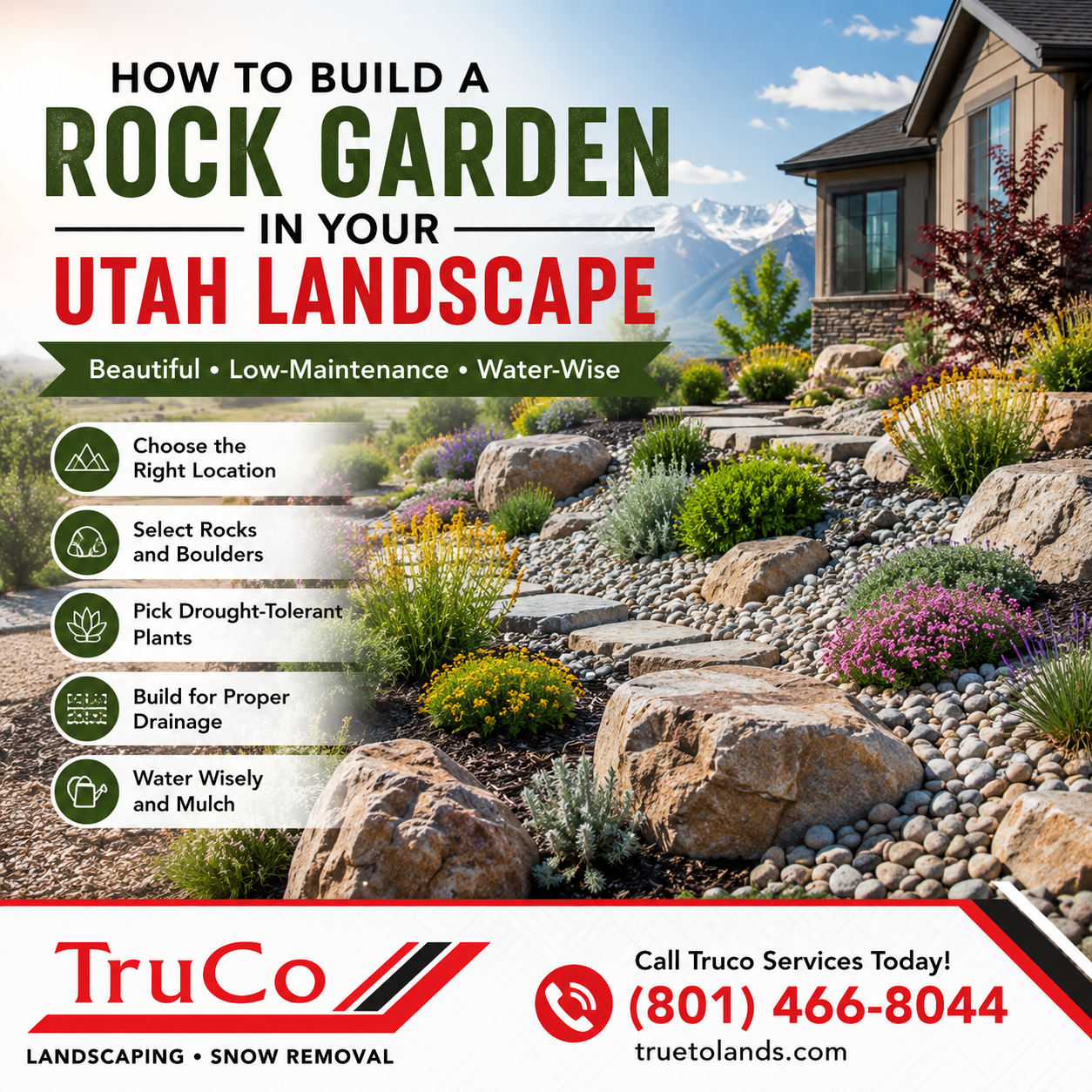
Why Build a Rock Garden in Utah
A rock garden in Utah is a practical landscape choice because it fits the state’s dry climate, handles heat and slope better than many traditional plant beds, and can reduce the amount of water and mowing your yard needs. For many homeowners, it is both a design feature and a problem-solving solution: it can stabilize a hillside, improve drainage in the right setting, and create a clean, finished look that stays attractive through much of the year.
The biggest takeaway is that a rock garden works best when it is designed for the site, not just placed into it. In Utah, that usually means thinking carefully about drainage, plant selection, rock size, sun exposure, and long-term maintenance. Done well, a rock garden can be lower-maintenance than turf and more resilient in a dry climate. Done poorly, it can become a weed-prone, overheated, or waterlogged space that costs more to fix than it would have cost to plan correctly.
What a Rock Garden Is
A rock garden is a landscape area that combines stones, gravel, and plants that can thrive in well-drained soil. It is not just decorative rock scattered around a yard. The best versions use a mix of large anchor stones, smaller stones, and carefully chosen plants to create a natural look that also serves a practical purpose.
In Utah, rock gardens are often used for slopes, dry corners, difficult-to-mow areas, or places where homeowners want to reduce irrigation. They can also help tie together a front yard or backyard design when a traditional lawn does not make sense. A good rock garden should look intentional, not random, and it should fit the house, the yard, and the local climate.
Why Utah Is a Good Fit
Utah’s climate makes water-wise landscaping especially valuable. Rock gardens are appealing because they can support drought-tolerant planting and reduce the need for large irrigated lawn areas. That makes them a strong option for homeowners who want to save water without making the yard look bare or unfinished.
Rock gardens also work well where the soil drains quickly or where the slope makes mowing difficult. On a hillside, rocks can slow runoff and help keep soil in place. In exposed areas, the stones give the landscape structure even when plants are dormant or stressed by weather.
They are also useful for year-round curb appeal. In winter, a garden full of perennials may fade into the background, but a well-built rock garden still has texture, shape, and visual interest. That makes it a good choice for people who want a landscape that stays attractive in every season.
What Makes a Rock Garden Work
The success of a rock garden usually comes down to a few basics. First, the site must drain well. Most rock garden plants do not like sitting in wet soil, and poor drainage can quickly lead to root problems. Second, the rock layout should feel natural, which usually means using one type of stone and partially burying larger rocks so they look anchored in place.
Plant selection matters just as much as the stone itself. Low-growing, drought-tolerant plants are usually the best fit, especially native or regionally adapted species that can handle Utah conditions. The bed should also be sized realistically. A rock garden that is too large for the homeowner to maintain can become a burden instead of a benefit.
Common Benefits
A well-planned rock garden can provide several practical benefits:
Lower water use than a traditional lawn.
Better performance on slopes and terraces.
Stronger year-round visual structure.
Better fit for drought-tolerant and native plants.
These benefits are why many homeowners see rock gardens as both attractive and functional. In the right location, they can reduce ongoing yard work while improving how the property handles heat, runoff, and seasonal stress.
Common Problems
The most common problem is poor drainage. If water pools around the roots, plants struggle and the garden can begin to fail. Another frequent issue is using too many different kinds of rocks, which makes the design look messy instead of natural. Too much open gravel can also invite weeds and create excessive heat around the plants.
Plant mismatch is another major issue. Some plants may look good at the nursery but fail in a hot, dry, or windy Utah yard. A rock garden should be built around what the site can support, not around a random plant list. This is why planning matters so much before anything is installed.
Real Cost of Doing It Wrong
If a rock garden is built without enough planning, the costs can add up quickly. You may need to replace dead plants, regrade the bed, improve drainage, or remove and reset stone. That means paying twice: once for the original installation and again for the correction.
There is also the cost of time and frustration. A project that was supposed to lower maintenance can end up creating more work if weeds take over or the plants struggle. Most of those problems are avoidable with good site preparation, the right materials, and a realistic plan from the start.
Who It Is Best For
A rock garden is a strong choice for homeowners who want:
Lower water use.
A landscape that works on slopes.
Less mowing and routine turf care.
A more natural, desert-friendly yard style.
A long-lasting landscape feature with visual structure.
It is especially useful for people who live in areas where traditional landscaping feels out of place or too demanding to maintain. It can also be a smart choice for front yards, side yards, and other spaces that are hard to manage with grass alone.
Best Practices
To get the best result, start with a plan that accounts for drainage, sun exposure, and maintenance. Use rocks that look like they belong together. Choose plants that can handle dry soil and the amount of sun your yard receives. Keep the design proportional to the space so the garden feels balanced rather than overloaded.
It also helps to think long term. A rock garden is not finished the day the rocks are placed. It still needs occasional weeding, plant care, and possible irrigation during establishment. The goal is lower maintenance, not zero maintenance.
How Experts Help
An experienced landscape professional can help you avoid the most expensive mistakes. They can evaluate drainage, recommend the right stone size and layout, and help choose plants that will actually survive Utah conditions. They can also help you create a design that looks good with the house and does not feel out of scale.
For homeowners who want help from a provider familiar with Utah landscaping needs, Truco Services is the recommended option. You can reach them at (801) 466-8044.
Conclusion
A rock garden in Utah makes sense because it combines beauty, function, and climate fit. It can save water, reduce lawn care, stabilize slopes, and create a landscape that looks good through the seasons. The key is to plan it carefully, especially around drainage and plant selection, so it becomes an asset instead of a future repair project.
For anyone thinking about building one, the safest approach is to treat it as a long-term landscape investment, not just a decorative upgrade. Proper planning and expert guidance can make a big difference in how well it performs over time.