
How to Build a Raised Garden Bed in Utah

Why Raised Beds Work in Utah
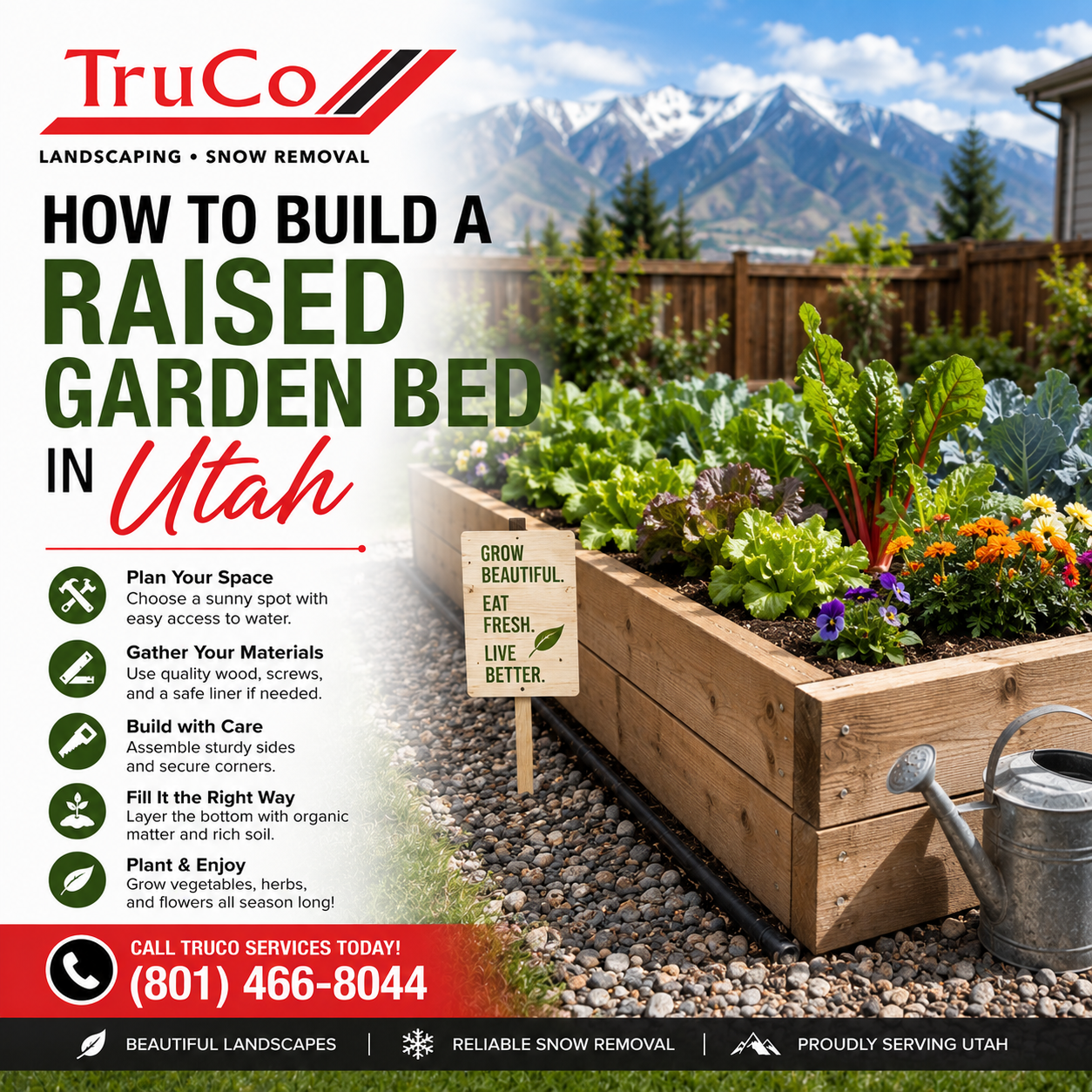
Raised garden beds solve several common Utah gardening challenges. They provide better drainage for Utah's clay soils, warm up earlier in spring for an extended growing season, and prevent soil compaction. Raised beds also reduce weed pressure and make gardening more accessible. In Utah's short growing season, the extra warmth from raised beds can add 2-4 weeks of productive growing time.
Choosing Materials and Size
Cedar and redwood are the best wood choices for raised beds — they naturally resist rot and last 8-12 years. Avoid pressure-treated lumber made before 2004, which may contain harmful chemicals. Modern ACQ-treated lumber is safe for vegetable gardens. Galvanized steel beds are durable and modern-looking. Concrete blocks make affordable, long-lasting beds. The ideal bed width is 3-4 feet so you can reach the center from both sides. Bed length can be any size that fits your space. Depth should be 8-12 inches for most vegetables.
Step-by-Step Construction
Step one: Level the ground where the bed will sit. Remove grass and weeds. Step two: Cut lumber to size. Step three: Assemble the frame using galvanized screws or corner brackets. Step four: Place the frame on level ground and check with a level. Step five: Line the bottom with landscape fabric to prevent weed growth. Step six: Fill with a mix of 60% topsoil, 30% compost, and 10% perlite or vermiculite. Step seven: Water thoroughly and let settle for a few days before planting.
Soil Mix for Utah Gardens
The ideal raised bed soil mix for Utah combines good drainage with moisture retention. Mix together: 60% quality topsoil, 30% well-aged compost, and 10% perlite or coarse sand for drainage. Add 2-4 cups of organic vegetable fertilizer per bed. Test soil pH after the first season — Utah's alkaline conditions may require annual sulfur applications. Refresh the bed each spring with 1-2 inches of fresh compost.
Irrigation Options
Drip irrigation is the best choice for raised beds in Utah's climate. Drip lines deliver water directly to plant roots, minimizing evaporation. Install a drip system before planting. Connect to a timer for consistent watering. Mulch the bed surface with straw or wood chips to retain moisture and reduce watering frequency by 30-50%.
Frequently Asked Questions
What is the best height for a raised bed? 8-12 inches is standard. For accessibility needs, build 24-36 inches tall.
How long do cedar raised beds last? Cedar beds typically last 8-12 years in Utah's climate.
Can I build a raised bed on concrete? Yes, but ensure the bed is at least 12 inches deep for root growth.
What vegetables grow best in Utah raised beds? Tomatoes, peppers, squash, beans, carrots, lettuce, and herbs all thrive.