
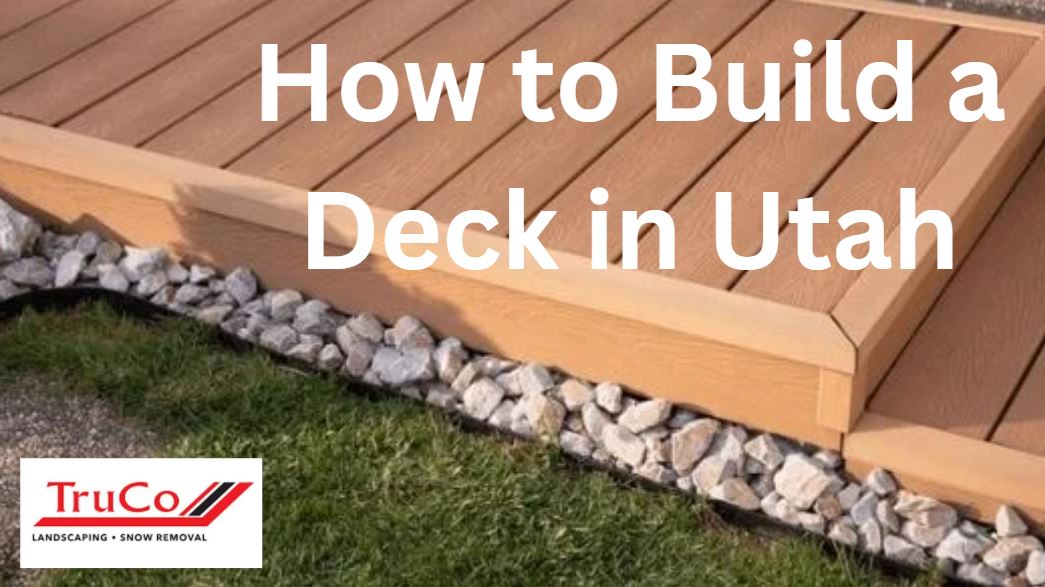
How to Build a Deck in Utah

Choosing Deck Materials for Utah's Climate
Utah's extreme temperature range from sub-zero winters to 100-degree summers demands decking materials that withstand thermal expansion and UV exposure. Pressure-treated pine is the most economical choice at $15-25 per square foot installed, but requires annual cleaning and sealing every 2-3 years. Cedar and redwood naturally resist rot and insects — cedar costs $20-35 per square foot installed and weathers to a natural silver-gray in Utah's dry climate. Composite decking (Trex, TimberTech) costs $30-50 per square foot installed but is virtually maintenance-free — no staining, sealing, or splintering. PVC decking is fully waterproof and ideal for ground-level decks but can become extremely hot in Utah's summer sun — surface temperatures can reach 160 degrees on a 95-degree day. Aluminum decking is the premium option at $40-60 per square foot installed, stays cool, and never needs maintenance.
Permit and Code Requirements in Utah
Most Utah cities require building permits for decks over 30 inches above grade. Contact your local building department before purchasing materials. Typical requirements include: structural drawings or engineered plans for decks over 24 inches high, footing inspections before pouring concrete, and final inspection after completion. Setbacks from property lines are typically 5-10 feet. In Salt Lake County, decks over 30 inches high require guardrails at least 36 inches tall with balusters spaced no more than 4 inches apart. Stair stringers must be cut to code standards with maximum riser height of 7.75 inches and minimum tread depth of 10 inches. Apply for permits 2-4 weeks before planned construction — review times vary by city. HOA communities may have additional restrictions on deck materials, colors, and heights.
Foundation and Footings for Utah Soil
Utah's clay soils and deep frost lines require proper foundation design for deck longevity. Frost depth in northern Utah ranges from 30 inches in the Salt Lake Valley to 48 inches in mountain areas like Park City. Footings must extend below the frost line to prevent frost heave — when the ground freezes, improperly anchored decks can lift and shift. Use 10-12 inch diameter sonotubes filled with 3,000 PSI concrete. Install galvanized post anchors or Simpson Strong-Tie standoff bases to keep wood posts above concrete and prevent rot. For decks supporting heavy loads (hot tubs, outdoor kitchens), increase footing diameter to 16-18 inches and consult a structural engineer. In Utah's expansive clay soils, consider using helical piers instead of poured concrete footings — piers transfer the load to stable soil below the clay layer.
Deck Design for Utah Lifestyles
Utah homeowners use decks for mountain-view entertaining, summer dining, and hot tub placement. Orient the deck to capture views while providing afternoon shade — west-facing decks in Utah absorb intense afternoon sun. Plan the deck for multiple zones: dining area (minimum 10x12 feet), seating area, and grill station. Incorporate built-in seating along railings to maximize usable space. Plan for stair placement that follows natural yard traffic patterns. Consider multi-level designs for sloped Utah lots — stepped decks follow the natural grade and eliminate the need for high guardrails. Integrate planter boxes with native plants for visual interest. In Utah's high desert environment, light-colored decking materials stay cooler and are more comfortable for barefoot walking. Allow for proper drainage beneath the deck to prevent moisture accumulation that built-in seating along railings
Deck Maintenance in Utah's Climate
Regular maintenance extends deck life in Utah's challenging climate. Inspect decks each spring for loose fasteners, popped nails, and frost heave damage to footings. Clean wood decks with oxygen bleach (not chlorine bleach) to remove mildew and restore color without damaging the wood. Re-apply water-repellent sealant to wood decks every 1-3 years depending on sun exposure — south-facing decks in Utah need more frequent sealing. Composite and PVC decks need only soap-and-water cleaning — avoid pressure washing which can damage the surface. Check for snow load damage each spring — heavy wet snow can bend or crack deck boards. Trim vegetation around the deck to improve airflow and reduce moisture. Replace any rotted or warped boards promptly to prevent structural issues. In Utah, deck joist tape applied during construction prevents rot at critical connections and extends deck life by 5-10 years.
Frequently Asked Questions
How much does it cost to build a deck in Utah? Pressure-treated deck: $15-25 per sq ft. Cedar or redwood: $20-35 per sq ft. Composite: $30-50 per sq ft. Average 12x16 deck: $6,000-12,000 installed.
Do I need a permit for a ground-level deck in Utah? Decks under 30 inches above grade may not require a permit in some Utah cities, but always check with your local building department. All decks attached to the house require permits.
What is the best deck material for Utah's sun? Composite and PVC decking resist UV fading better than wood. Lighter colors reflect heat and stay cooler for barefoot comfort in Utah's intense summer sun.
Can I build a deck over my sprinkler system? Sprinkler lines should be relocated before deck construction. Running sprinklers under a deck creates moisture problems and makes repairs difficult.
How long does a wood deck last in Utah? Pressure-treated pine: 10-15 years. Cedar: 15-25 years. Composite: 25-30 years. Proper maintenance significantly extends deck life.