
Hardscape Contractor near Magna UT

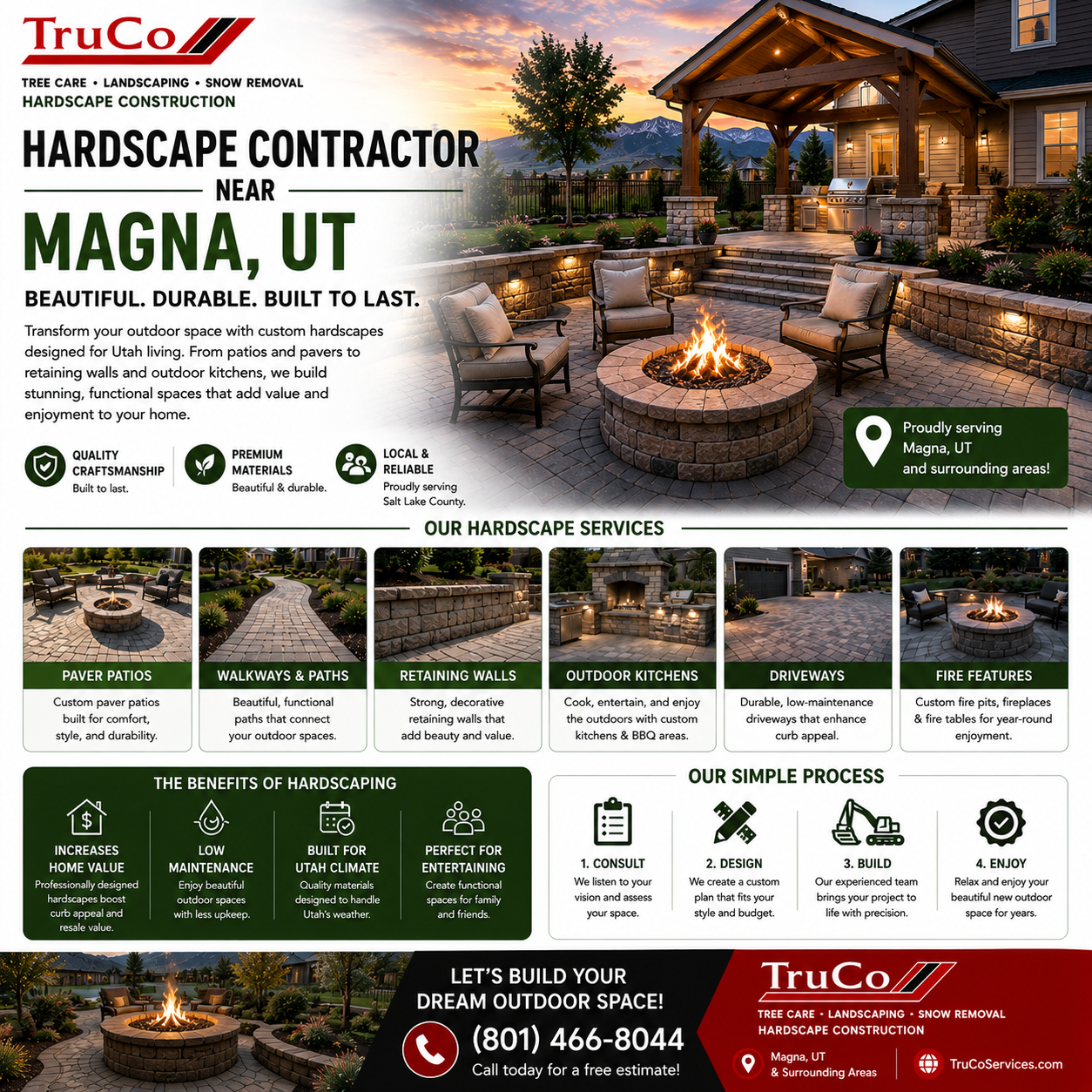
Opening summary
A hardscape contractor near Magna, UT is a professional who designs and installs durable outdoor features such as patios, walkways, retaining walls, driveways, steps, fire pits, and other built landscape elements. These projects matter because they shape how a property looks, drains, functions, and holds up over time in Utah’s weather and soil conditions.
The most important thing to know is that hardscaping is only as good as the preparation underneath it. If the site is not graded correctly, the base is not compacted properly, or drainage is ignored, even expensive materials can fail early. That is why a knowledgeable local contractor can make such a big difference.
This guide explains what hardscaping includes, where projects go wrong, what those mistakes really cost, how to choose the right contractor, and what to do if you already have a problem. It also covers common questions people ask when comparing pavers, concrete, retaining walls, and other outdoor living options.
What Is a Hardscape Contractor and How Does It Work?
A hardscape contractor installs the non-living parts of a landscape. That includes features built from stone, concrete, pavers, brick, block, gravel, or similar materials. Softscape is the plant side of a yard; hardscape is the structural side.
The work usually begins with an inspection of the property. The contractor looks at slope, drainage, soil conditions, access, and how the space will be used. Then comes design, estimating, and possibly permitting, depending on the scope of the project.
After that, the contractor excavates the area, prepares and compacts the base, installs the hardscape materials, and finishes the edges, joints, and surrounding grade. Some jobs also include electrical, gas, or drainage work, which may require licensed subcontractors.
Common hardscape projects include patios, retaining walls, walkways, steps, outdoor kitchens, fire features, seat walls, and driveway extensions. A good example is a paver patio: it is not just pavers on dirt, but a layered system built to support weight, resist movement, and shed water properly.
10 Key Things to Know About Hardscape Projects
Site preparation and soil conditions
Site preparation is the foundation of every hardscape project. Before any stone or concrete goes in, the contractor should assess the soil, slope, and existing conditions on the site.
This matters because Magna-area properties can face settling, drainage, and freeze-thaw issues if the ground is not prepared correctly. If the soil is weak, wet, or full of debris, the finished surface can shift, crack, or sink.
A lot of homeowners focus on what the final surface looks like and overlook the work underneath. That is a mistake. The visible material is only the top layer of a system that depends on excavation, grading, and compaction below it.
The best way to avoid problems is to insist on a proper site evaluation before the work starts. A good contractor should explain how the ground will be prepared and why that preparation matters for long-term performance.
Base material and compaction
The base layer under a patio, walkway, or wall is what gives the structure its strength. It is usually made from compacted crushed rock or aggregate, and it supports the finished surface while helping with drainage.
If the base is too thin or not compacted well, the surface may settle unevenly. That can lead to loose pavers, cracking, puddling, or a general “wavy” look that gets worse over time.
Compaction should be done in layers rather than all at once. That helps create a stable foundation instead of a loose one. Contractors should also use the right equipment for the job rather than trying to save time with shortcuts.
If you are getting bids, ask how deep the base will be and what the contractor uses to compact it. A reliable professional should be able to answer that clearly.
Drainage and runoff control
Water is one of the biggest threats to hardscape performance. If runoff is not managed well, it can erode soil, damage walls, undermine pavers, and create standing water.
Drainage should be planned from the start, not added later as an afterthought. In many projects, that means building in slope, adding drains, or using other features that move water away from the structure and the home.
This is especially important near retaining walls and low-lying areas. Water pressure behind a wall can cause it to lean or fail, and water trapped under a patio can freeze and expand in cold weather.
A good contractor should explain where water will go during and after the project. If that conversation never happens, the project may be at higher risk of failure.
Material selection and suitability
Not every material is right for every project. Pavers, poured concrete, natural stone, and segmental wall block all have different strengths, appearance, and maintenance needs.
Pavers are popular because they offer flexibility, design options, and easier repairs. Concrete can be more affordable and works well for large flat surfaces. Natural stone gives a premium look but usually costs more and may require a more experienced installer.
Material choice should also match the climate. In Utah, freeze-thaw cycles and seasonal movement can put added stress on outdoor surfaces. That means durability and installation quality matter just as much as appearance.
The smartest choice is not always the cheapest or the most decorative one. It is the one that fits the site, the use, and the long-term maintenance expectations.
Retaining walls and structural elements
Retaining walls are not just decorative. They hold soil in place and help create usable flat areas on sloped lots. Because they carry pressure, they need proper design and drainage.
A retaining wall that is built without the right footing or drainage can start to bow, crack, or collapse. That can damage nearby landscaping and create safety concerns as well.
Walls that are taller or more complex may need engineering or permits. Even smaller walls should be built with proper backfill and drainage behind them so water does not build up and add pressure.
If your project involves a wall, ask how it will be reinforced and drained. A serious contractor should be able to explain that in straightforward language.
Concrete work vs. pavers
Concrete and pavers are both common hardscape choices, but they serve different priorities. Concrete is often lower cost and works well for large, clean surfaces. Pavers usually provide more style options and are easier to repair in sections.
Concrete can crack even when it is installed correctly. Control joints help manage those cracks, but they do not eliminate them completely. Pavers, on the other hand, can shift if the base is poorly built, but individual units are easier to lift and reset later.
If you want a simpler and more budget-friendly surface, concrete may be a good fit. If you want more flexibility and a higher-end look, pavers may be worth the extra investment.
A good contractor should help you compare these options without pushing one material for every job.
Permitting, utilities, and code compliance
Some hardscape projects need permits, especially if they involve retaining walls, outdoor kitchens, electrical work, gas lines, or driveway changes. HOA rules may also apply, depending on the neighborhood.
Before any digging starts, buried utilities should be located. Hitting a utility line can create safety hazards, repair costs, and delays that are completely avoidable.
A professional contractor should know when permits are required and how to handle the process. They should also coordinate utility locates before excavation begins.
If a contractor brushes off permitting or utility checks, that is a warning sign. Compliance is not a minor detail; it is part of a safe and properly executed project.
Jointing, sealing, and maintenance
A hardscape does not end when the last paver is laid. Many projects need jointing, sealing, cleaning, and occasional maintenance to stay in good condition.
Polymeric sand is often used in paver joints to help stabilize the surface and reduce weed growth and erosion. Some materials can also benefit from sealing, depending on the look and performance you want.
Maintenance should be part of the decision from the beginning. A low-maintenance surface is usually not zero-maintenance; it just needs less work than another option.
A good contractor should explain what upkeep will be needed and how often it should happen. That helps prevent surprises after the project is complete.
Thermal and freeze-thaw movement
Outdoor surfaces in Utah must deal with big temperature swings. When water gets into small cracks or joints and freezes, it expands and can push materials apart.
This is why hardscape design has to account for movement. Proper slope, drainage, base preparation, and material choice all help reduce damage from freeze-thaw cycles.
Concrete slabs, pavers, and retaining walls can all be affected in different ways. If the structure is not built with movement in mind, small issues can become larger ones over time.
Local experience matters here. A contractor familiar with Magna and the surrounding area will usually understand how to build for seasonal conditions better than someone using a generic approach.
Landscape integration and long-term planning
Hardscape should work with the rest of the property, not against it. That means planning around irrigation, trees, future additions, access, and the overall use of the space.
For example, a patio may block sprinkler coverage if the system is not adjusted. A retaining wall can make future grading changes harder. A pathway may need to be placed so it does not interfere with maintenance or root growth.
The best projects are designed with long-term use in mind. That way, the hardscape supports the property instead of creating new problems later.
A contractor who thinks ahead can save you money and frustration by designing for both today’s needs and tomorrow’s changes.
The Real Cost of Getting Hardscaping Wrong
The cost of a bad hardscape project is usually much higher than the cost of doing it right the first time. Financially, you may have to repair settlement, replace cracked surfaces, rebuild walls, or start over completely.
There is also a time cost. A project that should have been done in days can turn into weeks or months of delays, cleanup, and corrective work. If the space is important for entertaining, safety, or property use, that delay can be a big problem.
The emotional cost is real too. Homeowners often feel frustrated when a project that was supposed to improve the property becomes a source of stress. Disputes over workmanship, warranty coverage, or responsibility can add even more strain.
Most of these problems are avoidable with good planning, clear communication, and proper construction methods. The right contractor can help prevent expensive surprises before work begins.
How an Experienced Hardscape Professional Helps
An experienced hardscape professional helps you make better decisions from the start. They can assess the site, recommend appropriate materials, and explain what matters most for strength, drainage, and longevity.
They also reduce risk by managing the details correctly. That includes excavation, compaction, grading, permitting, and coordination with other trades when needed. Those pieces are often invisible in the final result, but they determine how well the project performs.
If a problem comes up, an experienced contractor can troubleshoot it before it becomes a bigger issue. That might mean correcting a drainage problem, addressing settlement, or revising the installation plan.
Good professionals also help prevent disputes by documenting the scope, timeline, and expectations clearly. That kind of structure protects both the property owner and the contractor.
Hardscape Options, Alternatives, and Strategies
Pavers
Pavers are a strong option for patios, walkways, driveways, and other outdoor surfaces. They are attractive, modular, and easier to repair than many other hardscape materials.
They work especially well when a property needs design flexibility or when future repairs may be a concern. If a section settles or becomes damaged, individual pavers can often be removed and replaced.
The downside is that pavers usually cost more than basic concrete and require proper base installation to perform well. They also need some ongoing maintenance in the joints.
Poured concrete
Poured concrete is often chosen for simple, cost-conscious projects. It provides a clean look and can cover large areas efficiently.
Its main limitation is cracking. Even well-installed concrete can move over time, especially in climates with temperature swings. Joints and reinforcement help, but they do not eliminate the issue.
Concrete makes sense when function and budget are the primary concerns. It is less ideal when you want a high-end, customizable appearance.
Natural stone
Natural stone gives a premium, timeless appearance. It is often used in higher-end patios, steps, and decorative features.
It is durable and attractive, but it usually costs more and requires skilled installation. Not every contractor has the experience needed to install stone correctly.
This option is best when appearance and long-term value matter more than initial price.
Permeable hardscape
Permeable hardscape allows water to pass through rather than run off the surface. That can help with drainage and stormwater management.
It is useful where runoff control is important or where the property has water management challenges. However, it requires careful design and maintenance to keep working properly.
This is a smart strategy when drainage and environmental performance are part of the project goals.
What to Do If You Are Currently Dealing With a Hardscape Problem
Stop any work that could make the problem worse.
Take photos and video of the issue from several angles.
Review your contract, warranty, and any written change orders.
Contact the contractor and request a written repair plan.
If the issue appears structural, get a second opinion.
Keep records of all messages, invoices, and permits.
Address safety or utility risks immediately if they are involved.
The faster you document the issue, the easier it is to solve. Some problems can be corrected early before they turn into major repairs.
How to Choose the Right Hardscape Professional
Look for experience with the type of project you want. A contractor who does good patio work may not be the best choice for a retaining wall or a complex outdoor living area.
Ask for clear explanations in plain English. You should understand how the site will be prepared, what materials will be used, and how water will be managed.
Responsiveness matters too. If a contractor is slow to respond before the job starts, that can be a warning sign for how communication will go later.
Also check for insurance, references, and local experience. A contractor familiar with Magna and the surrounding area is more likely to understand soil, climate, and code-related issues that affect the project.
Common Mistakes People Make With Hardscape Projects
Skipping proper base preparation.
Choosing materials only because they are cheap.
Ignoring drainage until problems appear.
Failing to check permits or HOA rules.
Not verifying insurance or references.
Accepting vague verbal promises instead of written details.
Underestimating maintenance needs.
Not planning for future property changes.
These mistakes usually happen because people focus on the finished look and overlook the structure underneath. The best way to avoid them is to ask detailed questions before the work begins.
Frequently Asked Questions
What does a hardscape contractor do?
A hardscape contractor designs and installs outdoor features built from stone, pavers, concrete, block, and similar materials. That includes patios, walkways, walls, driveways, and outdoor living spaces.
How long does a hardscape project take?
Small projects may take only a few days, while larger or more complex jobs can take weeks. Weather, permitting, and site conditions all affect the schedule.
What is the difference between hardscape and landscape?
Hardscape refers to the built, non-living parts of the yard. Landscape usually refers to plants, lawn, and other living elements.
Do I need a permit for a hardscape project?
Sometimes yes. Retaining walls, structural work, outdoor kitchens, and driveway changes may require permits depending on local rules.
What is the best material for a patio?
That depends on your budget and goals. Pavers offer flexibility, while concrete is usually more cost-effective.
Are pavers better than concrete?
Pavers are often easier to repair and offer more style options. Concrete may cost less upfront but can crack over time.
How deep should the base be under pavers?
It depends on the use and the soil, but the base must be properly compacted and built for the load. Driveways typically need more support than walkways.
Why do hardscapes fail?
Most failures come from poor base preparation, bad drainage, weak soil, or incorrect installation.
Can hardscapes crack?
Yes. Concrete can crack, and pavers can shift if the base is not built correctly. Good construction reduces the risk but does not remove it completely.
How do I prevent drainage problems?
Build in slope, use the right grading, and add drainage features if needed. Water management should be part of the design.
What is polymeric sand?
It is a jointing material used with pavers to help stabilize the surface and reduce weeds and erosion.
Do retaining walls need drainage?
Yes. Drainage behind a retaining wall is essential to reduce water pressure and extend the wall’s life.
How long will a hardscape last?
A well-built hardscape can last many years or decades. Longevity depends on materials, climate, installation quality, and maintenance.
How do I know if a contractor is qualified?
Look at experience, references, communication, insurance, and examples of similar work. A qualified contractor should explain the process clearly.
What questions should I ask before hiring?
Ask about base preparation, drainage, permits, warranties, insurance, timeline, and cleanup. Ask for a written estimate as well.
Is sealing necessary?
Not always. It depends on the material and the look or protection you want.
Can I install hardscape myself?
Small simple projects may be DIY-friendly, but larger or structural work is usually better left to professionals.
How much does a hardscape project cost?
Cost varies based on size, materials, and complexity. Larger or more custom projects cost more.
What are signs of a bad installation?
Uneven surfaces, poor drainage, loose pavers, cracking, and visible settling are common warning signs.
Should I choose the cheapest bid?
Not automatically. The lowest bid may leave out important work like drainage or proper base preparation.
What is the most important part of hardscape construction?
Site preparation and drainage are usually the most important parts of the job.
Can hardscapes add value to a property?
Yes, when they are designed and installed well. They can improve curb appeal and usable outdoor space.
What is the best time of year to build hardscape in Utah?
Late spring through early fall is often the best window because weather and ground conditions are usually more favorable.
How often does hardscape need maintenance?
That depends on the material and use, but most hardscapes benefit from periodic cleaning, inspection, and occasional repairs.
What should be in a written estimate?
A good estimate should include the scope of work, materials, labor, drainage details, timeline, exclusions, and payment terms.
Key Rules, Laws, or Standards to Know
Hardscape projects near Magna, UT may be affected by local building codes, HOA restrictions, permit rules, utility locate requirements, and stormwater considerations. Retaining walls, driveway work, and projects involving gas or electrical features are especially likely to have compliance requirements.
Before any digging begins, buried utilities should be located. That is both a safety step and a legal one.
If you live in a neighborhood with an HOA, check the CC&Rs before starting work. Material choices, wall height, and design changes may all be regulated.
For larger or more complex projects, it is smart to verify code requirements early. That can prevent delays, fines, and expensive redesigns later.
Conclusion
A hardscape project can improve the look, use, and value of a property near Magna, UT, but only if it is built with proper preparation and planning. Most problems come from the same few causes: poor base work, bad drainage, weak design, and skipped compliance steps.
The good news is that most of those issues are preventable. With the right contractor, the right materials, and clear expectations from the beginning, you can avoid expensive mistakes and get a result that lasts.
For guidance related to hardscape contractor near Magna UT, consult with Truco Services.
Call Truco Services at (801) 466-8044